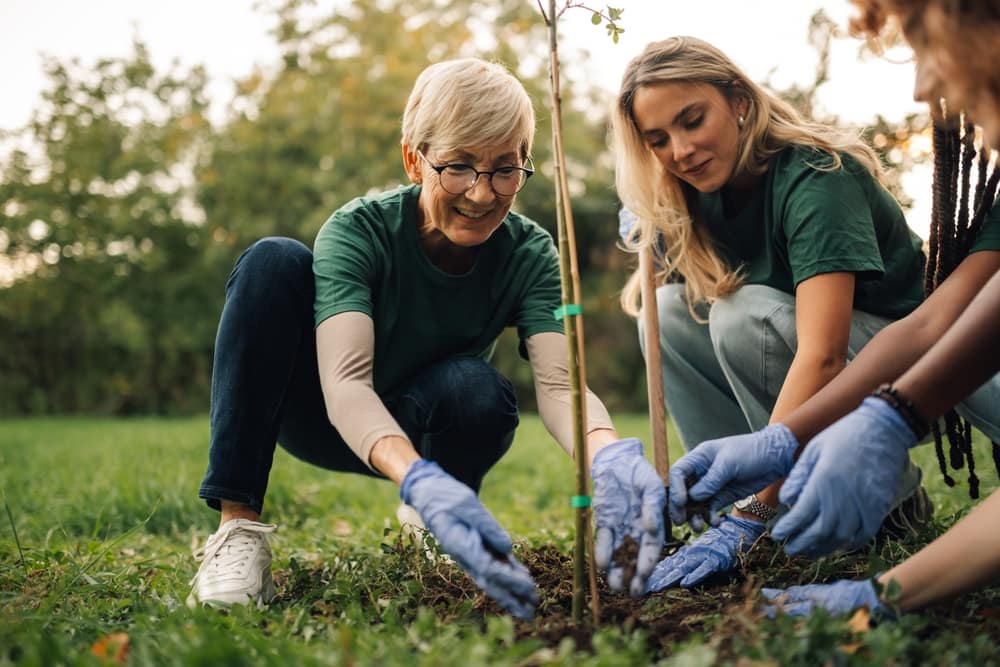
Social work did not begin in an office. It began in communities — neighbors helping neighbors, volunteers stepping into gaps that no formal system had yet named.
Long before social work existed as a profession, communities had always found those who responded to others in need. That voluntary spirit was the foundation on which the profession was eventually built. Understanding that history matters, because it explains something that often goes unspoken: for social workers, volunteering isn’t an add-on. It’s in the DNA of the work.
Service Is a Core Merit, Not a Job Requirement
The National Association of Social Workers (NASW) identifies six core merits that guide the profession. The first — and the one from which all others flow — is service. Social workers are expected to elevate service to others above self-interest, and are actively encouraged to volunteer some portion of their professional skills with no expectation of financial return.
That’s not language typically found in other professional codes of ethics. It reflects something real about who chooses this field and why.
What Social Workers Bring to Volunteer Roles
Social workers regularly elevate the needs of their communities above their own interests, drawing on education and experience to enhance the wellbeing of others — and that commitment extends well beyond their professional commitments.
That expertise is genuinely useful in a volunteer setting. A social worker showing up at a community organization doesn’t just show up. They bring assessment skills, knowledge of community resources, an understanding of systems, and a practiced ability to meet them where they are.
For Christy Singrey, a medical social worker with over 30 years of experience at Angels of Mercy Home Care, that overlap is not theoretical. The same skills that help her navigate Medicare paperwork with a homebound patient or support a family through a dementia diagnosis translate directly into community service — whether that’s advocacy work, caregiver support groups, or awareness events like the Walk to End Alzheimer’s.
Why It Matters Beyond the Profession
Communities benefit when skilled professionals show up as volunteers. Volunteers often become the backbone of social care initiatives, addressing needs that might otherwise go unmet.
For families navigating elder care, dementia, or chronic illness at home, that volunteer presence can be the difference between isolation and connection. It can be the extra layer of support that keeps someone in their home longer, or the familiar face at a support group that makes it feel safe to ask for help.
Social workers understand this better than most. Service is not what they do after hours. It’s who they are.